



متن انگلیسی
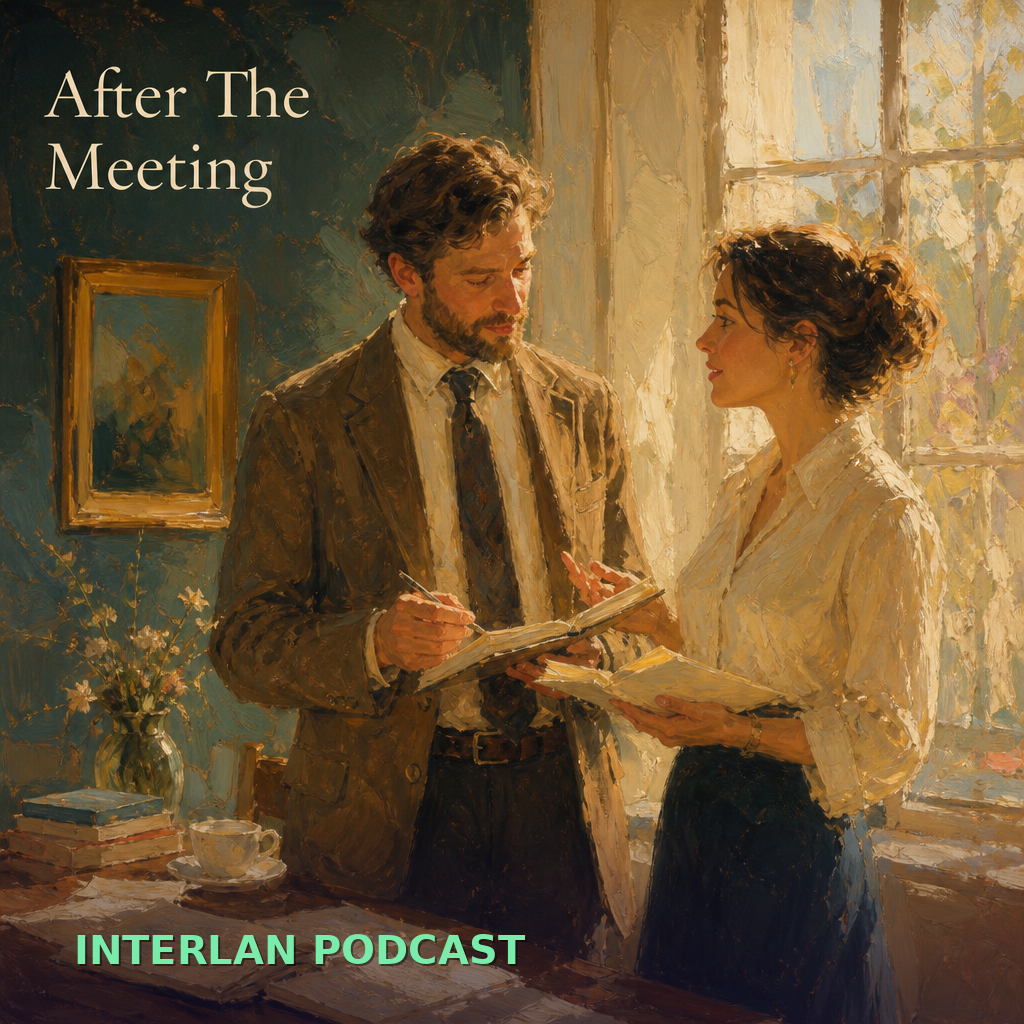
Mia: That meeting felt a bit awkward, didn’t it? To be honest, I left feeling interrupted, and I wanted to talk before it turned into tension. I don’t want this to sit between us all week.
Daniel: Yes, I could tell something was off. If I’m honest, I felt a little blindsided by the feedback, because it sounded more direct than I expected. I spent the rest of the meeting trying to figure out whether I had missed something.
Mia: I’m glad you said that. From my side, I wasn’t trying to attack your idea. I just felt we moved past my point before it was finished, and I wanted the team to hear the full picture.
Daniel: That helps. I may have misread your tone too. When I heard the comment in the meeting, I took it as a rejection, not as a request to explain more. In the moment, I filled in the blank myself.
Mia: Right, and I think that’s where the misunderstanding started. I was trying to clarify the concern, not shut the conversation down. I could have said it more carefully, especially in front of everyone.
Daniel: I appreciate that. And I should say, I wasn’t trying to be defensive. I just wanted to protect the part of the project I’d spent weeks on, so I heard the feedback as a bigger criticism than it was.
Mia: That makes sense. If I had been in your place, I might have reacted the same way. The feedback was probably a bit too abrupt for a public meeting, even if the point itself was fair.
Daniel: Maybe. And from my side, I would have handled it better if I’d asked, ‘Can you clarify what you mean?’ instead of assuming the worst. That would have given me a second to slow down.
Mia: Exactly. Next time, if we disagree, we could pause and separate the issue from the person. That would keep the discussion more productive and less personal, which matters when other people are in the room.
Daniel: I like that. We could also say, ‘I see it differently,’ or ‘Help me understand your point,’ which sounds frank without sounding harsh. It leaves room for a real exchange instead of a quick clash.
Mia: Yes, and if something lands badly, we can check it right away instead of letting it build. A quick private conversation is often better than carrying tension around, because then small things do not turn into bigger ones.
Daniel: Agreed. I also think it would help to give feedback with a small cushion, like, ‘One concern I have is...’ That feels clearer and more respectful. It signals that I’m raising an issue, not attacking the whole idea.
Mia: That’s a good phrase. It keeps the focus on the work, not on blaming. And it leaves room for the other person to respond without feeling cornered. I think that tone makes honest feedback easier to hear.
Daniel: So the next step is simple: if we hit a disagreement in a meeting, we slow down, ask a clarifying question, and make sure we understand the intent first. If needed, we can ask for a short pause and come back.
Mia: Yes, and if needed, we follow up after the meeting with a calm, direct message. I think that’s a much better way to protect both the work and the relationship. We can be firm without making it feel personal.
Daniel: I’m glad we talked. It’s easier now that we’ve said what we meant, instead of what it sounded like in the moment. I can tell the difference now between impact and intention.
Mia: Me too. These conversations are never fun, but they can be productive when we stay careful with our words and honest about the impact. That way, the next meeting has a better chance of going smoothly.
Daniel: Before we finish, here are the useful phrases from today: ‘I left feeling interrupted,’ ‘I felt blindsided,’ ‘From my side,’ ‘Could you clarify,’ ‘I see it differently,’ ‘One concern I have is...,’ and ‘What’s the next step?’
ترجمه فارسی
Mia: آن جلسه کمی معذبکننده بود، نه؟ راستش من با این حس جلسه را ترک کردم که حرفم قطع شد، و میخواستم قبل از اینکه به تنش تبدیل شود، صحبت کنیم. نمیخواهم این موضوع تمام هفته بین ما بماند.
Daniel: بله، میتوانستم بفهمم که چیزی درست نبود. اگر بخواهم صادق باشم، از این بازخورد کمی غافلگیر شدم، چون مستقیمتر از چیزی بود که انتظار داشتم. بقیهٔ جلسه را هم داشتم سعی میکردم بفهمم آیا چیزی را از قلم انداختهام یا نه.
Mia: خوشحالم که این را گفتی. از طرف من، قصد نداشتم به ایدهٔ تو حمله کنم. فقط حس کردم از نکتهٔ من قبل از تمام شدنش رد شدیم، و میخواستم تیم تصویر کامل را بشنود.
Daniel: این کمک میکند. شاید من هم لحن تو را درست نفهمیده باشم. وقتی آن حرف را در جلسه شنیدم، آن را رد کردن تعبیر کردم، نه درخواستِ توضیح بیشتر. همان لحظه خودم جای خالی را با برداشت خودم پر کردم.
Mia: دقیقاً، و فکر میکنم از همانجا سوءتفاهم شروع شد. داشتم سعی میکردم نگرانی را روشنتر کنم، نه اینکه گفتگو را متوقف کنم. میتوانستم این را با دقت بیشتری بگویم، مخصوصاً جلوی همه.
Daniel: قدردانم. و باید بگویم، من هم قصد نداشتم حالت دفاعی بگیرم. فقط میخواستم از بخشی از پروژه که هفتهها برایش وقت گذاشته بودم محافظت کنم، برای همین بازخورد را خیلی بزرگتر از چیزی که بود، بهعنوان انتقاد شنیدم.
Mia: منطقی است. اگر جای تو بودم، شاید من هم همینطور واکنش نشان میدادم. احتمالاً خودِ بازخورد برای یک جلسهٔ عمومی کمی تند و ناگهانی بود، حتی اگر اصلِ نکته درست بود.
Daniel: شاید. و از طرف من، اگر بهجای اینکه بدترین حالت را فرض کنم میپرسیدم: «میشه منظورت رو روشنتر بگی؟» بهتر برخورد میکردم. این کار به من یک لحظه فرصت میداد که آرامتر شوم.
Mia: دقیقاً. دفعهٔ بعد اگر اختلافنظر داشتیم، میتوانیم مکث کنیم و مسئله را از شخص جدا کنیم. این کار گفتگو را سازندهتر و کمتر شخصی نگه میدارد، و وقتی بقیه هم در اتاق هستند مهم است.
Daniel: این را دوست دارم. میتوانیم بگوییم: «من متفاوت میبینمش» یا «کمکم کن منظورت را بفهمم»، که صریح است بدون اینکه تند به نظر برسد. این کار بهجای یک برخورد سریع، جا برای یک گفتوگوی واقعی میگذارد.
Mia: بله، و اگر چیزی بد برداشت شد، میتوانیم همان موقع چک کنیم و نگذاریم انباشته شود. یک گفتوگوی کوتاه و خصوصی معمولاً بهتر از این است که تنش را با خودمان حمل کنیم، چون آنوقت چیزهای کوچک به چیزهای بزرگ تبدیل نمیشوند.
Daniel: موافقم. فکر میکنم بازخورد دادن با کمی مقدمه هم کمک میکند، مثلاً: «یکی از نگرانیهایی که دارم اینه که...» این شفافتر و محترمانهتر به نظر میرسد. نشان میدهد دارم یک موضوع را مطرح میکنم، نه اینکه دارم به کل ایده حمله میکنم.
Mia: این عبارت خوبی است. تمرکز را روی کار نگه میدارد، نه روی سرزنش. و به طرف مقابل هم جا میدهد که بدون احساس گیر افتادن پاسخ بدهد. فکر میکنم این لحن باعث میشود بازخورد صادقانه راحتتر شنیده شود.
Daniel: پس قدم بعدی ساده است: اگر در جلسه به اختلاف رسیدیم، سرعت را کم میکنیم، یک سؤال روشنکننده میپرسیم، و اول مطمئن میشویم منظور را درست فهمیدهایم. اگر لازم باشد، میتوانیم یک مکث کوتاه بخواهیم و بعد برگردیم.
Mia: بله، و اگر لازم باشد، بعد از جلسه با یک پیام آرام و مستقیم پیگیری میکنیم. فکر میکنم این خیلی بهتر است برای اینکه هم کار حفظ شود هم رابطه. میتوانیم محکم باشیم بدون اینکه موضوع را شخصی کنیم.
Daniel: خوشحالم که صحبت کردیم. حالا که گفتهایم چه منظوری داشتیم، نه اینکه در لحظه چه برداشتی شد، همهچیز راحتتر شده است. حالا میتوانم تفاوت بین تأثیر و نیت را بفهمم.
Mia: من هم همینطور. اینجور گفتگوها هیچوقت لذتبخش نیستند، اما وقتی با دقت در انتخاب کلمات و صداقت دربارهٔ تأثیرشان پیش برویم، میتوانند مفید باشند. اینطوری جلسهٔ بعدی شانس بیشتری برای خوب پیش رفتن دارد.
Daniel: قبل از تمام کردن، اینها عبارتهای مفید امروز بودند: «حس کردم حرفم قطع شد»، «احساس کردم غافلگیر شدم»، «از طرف من»، «ممکنه روشنتر توضیح بدی؟»، «من متفاوت میبینمش»، «یکی از نگرانیهایی که دارم اینه که...»، و «قدم بعدی چیست؟»
واژگان کلیدی
- interrupted — قطع کردن حرف کسی، ناتمام گذاشتن صحبت او
I felt interrupted during the meeting. - blindsided — غافلگیر و ناگهان تحت تأثیر قرار گرفتن
She felt blindsided by the feedback. - concern — نگرانی، مسئلهای که باید به آن توجه شود
I have one concern about the plan. - clarify — روشن کردن، توضیح بیشتر دادن
Could you clarify what you mean? - intent — نیت، منظور واقعی
I understood your intent. - misread — اشتباه فهمیدن، بد برداشت کردن
I may have misread your tone.
نکات زبانی
- برای مؤدبانهتر کردن پیشنهاد و درخواست از could، might و would استفاده کنید: Could you clarify...?
- برای صحبت دربارهی همکاری آینده از ساختار شرطی استفاده میکنیم: If we disagree, we can pause and check understanding.
- برای نرمتر گفتن اختلاف نظر، از عبارتهایی مثل From my side، I think، و a bit استفاده میکنیم.
- برای جدا کردن برداشت از نیت واقعی، میتوان گفت: It sounded like... یا I took it as....