



متن انگلیسی
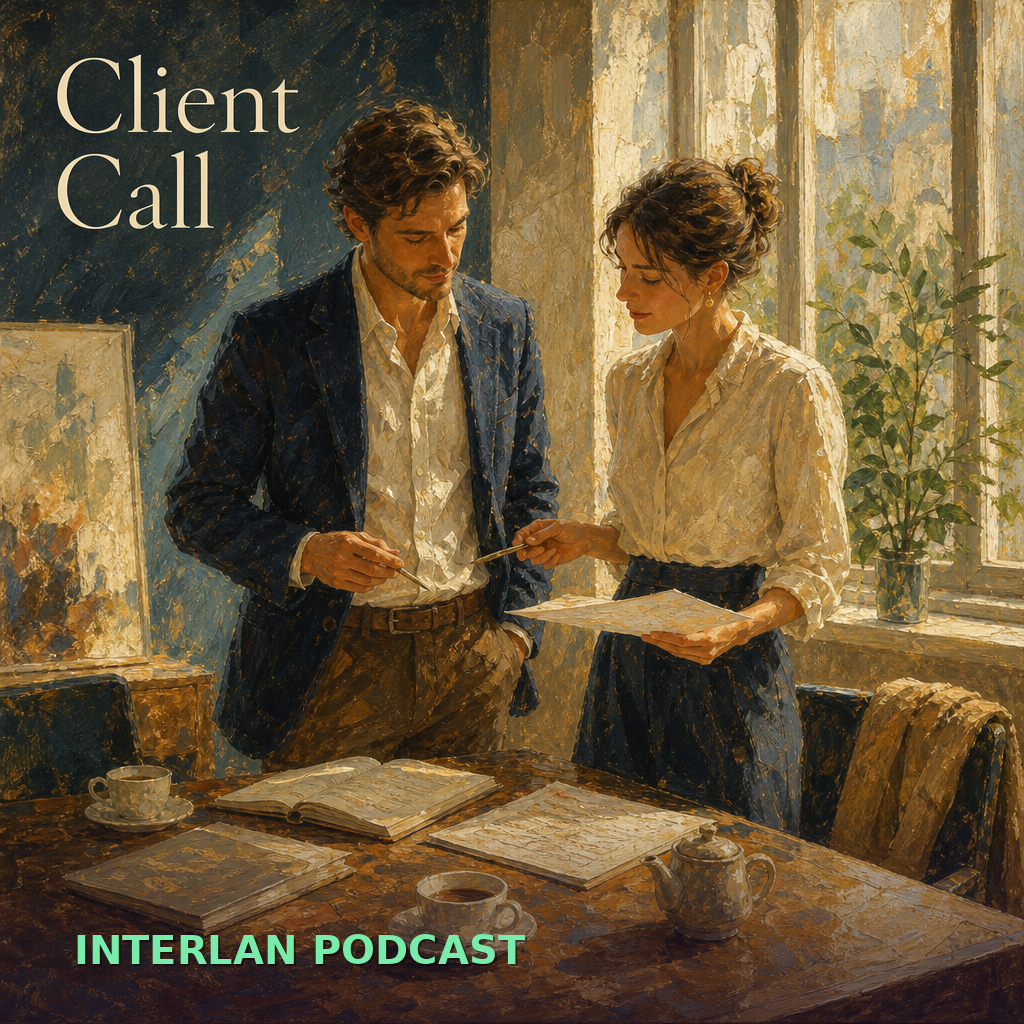
Sara: We’ve got ten minutes before the client call, so let’s use them well. I want us to leave this room with one clear agenda, a shared main message, and no confusion about who answers what. If we can align now, the call will feel much smoother.
Owen: Agreed. My view is that the main message should be simple: we understand their concern, we have a plan, and we can give a realistic follow-up. If we start too broadly, we may sound unfocused. Do you want to open with the summary, or should I?
Sara: I can open, but I’m not sure we should lead with the timeline straight away. The client may care more about the solution first. So maybe we begin with the priority, then move to timing, then confirm the next steps. That order feels more reassuring.
Owen: I see your point, but if we hide the timing for too long, they might think we are avoiding it. Could we mention the solution first, then briefly explain the timing, and then return to the action plan? That would keep the message honest and clear.
Sara: Yes, that works. First, solution. Then, timing. In that case, I’ll handle the opening and the closing. You could take the technical question about implementation, since you know the detail best. I’ll stay ready to step in if anything needs a quick handoff.
Owen: Good. And if they ask about the delay, I’ll answer briefly and confidently, without overexplaining. I think the key is to acknowledge the concern, give one reason, and move on. We don’t need to defend every decision. We just need to sound steady.
Sara: Exactly. Let’s rehearse the main sentence. How about: We understand your concern, we’ve clarified the priority, and we’re ready to move forward with a practical follow-up. It sounds professional, but still human. Maybe we should make it even shorter for the actual call.
Owen: Maybe this version is tighter: We understand the issue, we’ve aligned on the priority, and we’ll send a follow-up right after the call. That feels clean. If the client asks for more detail, we can expand, but the first pass should stay brief.
Sara: That’s better. Now, about responsibility: if the client asks about reporting, I’ll answer. If they ask about delivery, you answer. If they ask something we haven’t planned for, I’ll pause, clarify the question, and then we can decide who takes it.
Owen: Perfect. And if one of us needs help, the other should jump in smoothly instead of waiting too long. A quick handoff can save the conversation from getting awkward. We should also avoid repeating each other, because that can make us sound less confident.
Sara: Right. Let’s make the transition natural. I can say, That’s a good question, and Owen can walk you through the technical side. Or, if needed, I can add one short point and hand it over. Simple language usually works best in client calls.
Owen: I like that. It sounds polite and efficient. Also, if the client challenges the plan, we should not rush to fill the silence. A short pause can help us think. Then we can answer with a clear sentence instead of a long explanation.
Sara: Good reminder. So our agenda is: open with the main message, clarify the priority, answer questions by role, and finish with a brief follow-up. I’ll keep my points short. You keep yours precise. Together, we should sound prepared, not scripted.
Owen: And if the conversation goes off track, we bring it back politely. Something like, Just to keep us aligned, can we return to the main point? That’s firm without sounding rude. It also helps the client feel that we are leading the call carefully.
Sara: Yes. One last check: do we want to mention the delay in minutes or in general terms? I think general terms are safer unless they ask directly. That way, we stay accurate without getting stuck in details before we know what they need.
Owen: General terms first, specific numbers only if they ask. That seems right. We’ve clarified the agenda, assigned responsibility, and rehearsed the message. I think we’re ready. After the call, we can send the follow-up and note any new concerns for the team.
Sara: Great. Then let’s do one last run-through: main message, priorities, roles, and follow-up. If we stay brief and confident, the client will hear a clear plan instead of uncertainty. Okay, I’m ready when you are.
Owen: I’m ready too. Let’s make this call clean, calm, and useful.
ترجمه فارسی
Sara: ما ده دقیقه قبل از تماس با مشتری وقت داریم، پس بیایید درست از آن استفاده کنیم. میخواهم از این اتاق بیرون برویم با یک دستور جلسه روشن، یک پیام اصلی مشترک، و بدون هیچ ابهامی درباره اینکه چه کسی به چه چیزی جواب میدهد. اگر الان هماهنگ شویم، تماس خیلی روانتر پیش میرود.
Owen: موافقم. به نظر من پیام اصلی باید ساده باشد: ما نگرانیشان را درک میکنیم، برایش برنامه داریم، و میتوانیم یک پیگیری واقعبینانه بدهیم. اگر خیلی کلی شروع کنیم، شاید پراکنده به نظر برسیم. ترجیح میدهی خلاصه را تو شروع کنی یا من؟
Sara: من میتوانم شروع کنم، اما مطمئن نیستم که بهتر باشد همان اول از زمانبندی حرف بزنیم. شاید برای مشتری اول راهحل مهمتر باشد. پس شاید اول با اولویت شروع کنیم، بعد برویم سراغ زمانبندی، و بعد قدمهای بعدی را تأیید کنیم. این ترتیب آرامشبخشتر به نظر میرسد.
Owen: من منظورت را میفهمم، اما اگر زمانبندی را خیلی طولانی پنهان کنیم، شاید فکر کنند داریم از آن طفره میرویم. میشود اول راهحل را بگوییم، بعد خیلی کوتاه زمانبندی را توضیح بدهیم، و بعد برگردیم به برنامه اقدام؟ اینطوری پیام صادقانه و روشن میماند.
Sara: بله، این خوب است. اول راهحل. بعد زمانبندی. در این صورت، من شروع و پایان را بر عهده میگیرم. تو میتوانی سؤال فنی درباره اجرا را جواب بدهی، چون جزئیات را بهتر از همه میدانی. من هم آماده میمانم اگر لازم شد سریع نوبت را به تو بسپارم.
Owen: خوب. و اگر درباره تأخیر بپرسند، من کوتاه و مطمئن جواب میدهم، بدون اینکه زیادی توضیح بدهم. فکر میکنم نکته اصلی این است که نگرانی را بپذیریم، یک دلیل بدهیم، و ادامه بدهیم. لازم نیست از تکتک تصمیمها دفاع کنیم. فقط باید آرام و مطمئن به نظر برسیم.
Sara: دقیقاً. بیایید جمله اصلی را تمرین کنیم. مثلاً اینطور: ما نگرانی شما را درک میکنیم، اولویت را روشن کردهایم، و آمادهایم با یک پیگیری عملی جلو برویم. حرفهای به نظر میرسد، اما هنوز انسانی است. شاید برای تماس واقعی بهتر باشد حتی کوتاهترش کنیم.
Owen: شاید این نسخه جمعوجورتر باشد: ما مسئله را درک میکنیم، روی اولویت هماهنگ شدهایم، و بعد از تماس یک پیگیری میفرستیم. این تمیز به نظر میرسد. اگر مشتری جزئیات بیشتری خواست، میتوانیم توضیح بدهیم، اما در قدم اول باید کوتاه بماند.
Sara: این بهتر است. حالا درباره مسئولیت: اگر مشتری درباره گزارشدهی بپرسد، من جواب میدهم. اگر درباره تحویل بپرسد، تو جواب میدهی. اگر چیزی بپرسد که برایش برنامه نداشتیم، من مکث میکنم، سؤال را روشن میکنم، و بعد تصمیم میگیریم چه کسی جواب بدهد.
Owen: عالی. و اگر یکی از ما به کمک نیاز داشت، دیگری باید روان وارد شود، نه اینکه زیادی صبر کند. یک واگذاری سریع میتواند از معذب شدن مکالمه جلوگیری کند. همچنین باید از تکرار حرف همدیگر پرهیز کنیم، چون ممکن است ما را کماعتمادتر نشان بدهد.
Sara: درست است. بیایید انتقال را طبیعی کنیم. من میتوانم بگویم: سؤال خوبی است، و اوون میتواند بخش فنی را برایتان توضیح بدهد. یا اگر لازم شد، من یک نکته کوتاه اضافه میکنم و آن را به تو میسپارم. معمولاً در تماس با مشتری، زبان ساده بهترین جواب را میدهد.
Owen: این را دوست دارم. مؤدبانه و کارآمد به نظر میرسد. همچنین اگر مشتری برنامه را به چالش کشید، نباید سریع سکوت را پر کنیم. یک مکث کوتاه میتواند کمک کند فکر کنیم. بعد میتوانیم با یک جمله روشن جواب بدهیم، نه با یک توضیح طولانی.
Sara: یادآوری خوبی است. پس دستور جلسه ما این است: با پیام اصلی شروع کنیم، اولویت را روشن کنیم، سؤالها را بر اساس نقش جواب بدهیم، و در پایان یک پیگیری کوتاه داشته باشیم. من نکتههایم را کوتاه نگه میدارم. تو هم دقیق بمان. با هم باید آماده به نظر برسیم، نه از روی متن حفظشده.
Owen: و اگر مکالمه از مسیر خارج شد، با احترام آن را برمیگردانیم. چیزی مثل این: فقط برای اینکه هماهنگ بمانیم، میشود برگردیم به نکته اصلی؟ این محکم است بدون اینکه بیادبانه به نظر برسد. همچنین کمک میکند مشتری حس کند ما با دقت تماس را هدایت میکنیم.
Sara: بله. یک سؤال آخر: میخواهیم تأخیر را بر حسب دقیقه بگوییم یا بهطور کلی؟ به نظرم تا وقتی مستقیم نپرسند، بیان کلی امنتر است. اینطوری دقیق میمانیم بدون اینکه قبل از اینکه بدانیم چه میخواهند، در جزئیات گیر کنیم.
Owen: اول بهصورت کلی، عددهای مشخص فقط اگر پرسیدند. این درست به نظر میرسد. دستور جلسه را روشن کردهایم، مسئولیتها را تقسیم کردهایم، و پیام را تمرین کردهایم. فکر میکنم آمادهایم. بعد از تماس، میتوانیم پیگیری را بفرستیم و هر نگرانی جدیدی را برای تیم یادداشت کنیم.
Sara: عالی. پس یک بار دیگر مرور کنیم: پیام اصلی، اولویتها، نقشها، و پیگیری. اگر کوتاه و با اعتمادبهنفس بمانیم، مشتری یک برنامه روشن میشنود نه ابهام. خب، من آمادهام هر وقت تو آمادهای.
Owen: من هم آمادهام. بیایید این تماس را تمیز، آرام، و مفید پیش ببریم.
واژگان کلیدی
- agenda — دستور جلسه، فهرست موضوعات
Let’s agree on the agenda before the call. - align — هماهنگ شدن، همنظر شدن
We need to align on the main message. - clarify — روشن کردن، شفافسازی کردن
Can you clarify who will answer that question? - priority — اولویت
Our top priority is to sound confident. - responsibility — مسئولیت
This responsibility belongs to the technical team. - follow-up — پیگیری، اقدام بعدی
We’ll send a follow-up after the call. - main message — پیام اصلی
The main message should be short and clear. - concern — نگرانی، دغدغه
We understand your concern. - handoff — واگذاری نوبت صحبت، انتقال مسئولیت
Let me make a quick handoff to Owen. - rehearse — تمرین کردن، مرور کردن
We should rehearse the opening once. - briefly — به طور مختصر
Please explain it briefly. - confidently — با اعتمادبهنفس
She answered confidently and clearly.
نکات زبانی
- برای پیشنهاد مؤدبانه از should و could استفاده شده است.
- برای برنامهریزی از ساختارهای شرطی مثل if we start... and if they ask... استفاده شده است.
- عبارتهای نرمکننده مثل I see your point, but... و I’m not sure that... برای مخالفت محترمانه به کار رفتهاند.
- برای سازماندهی گفتگو از markerهایی مثل first, then, so, in that case استفاده شده است.