



متن انگلیسی
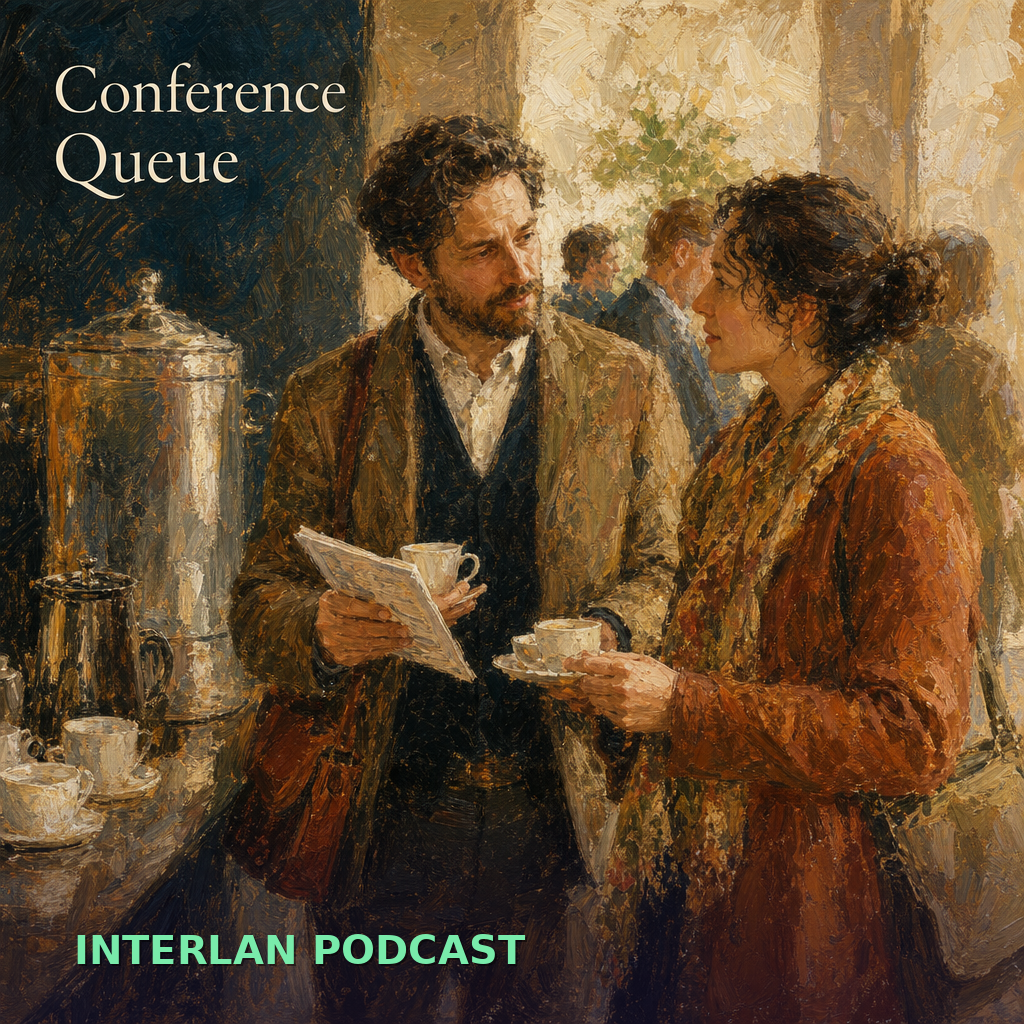
Mia: This queue is moving at the speed of a broken printer. Still, it’s a good place to wait, isn’t it? I’m Mia, by the way. Are you here for the morning sessions too, or just the coffee rescue mission?
Daniel: Daniel. Definitely both, though the coffee may be winning right now. I was thinking the first talk sounded worth it. Have you looked at the agenda, or are you doing the classic conference approach of deciding five minutes before?
Mia: A bit of both, honestly. I skimmed the agenda, but I’m still choosing between two sessions. One speaker is on team communication, which I need, and the other is on product strategy, which also sounds useful. Too many options.
Daniel: That’s the problem with conferences. You think you’re free to choose, and then every session sounds essential. Actually, I wanted to ask, are you mainly here to learn something specific, or are you hoping to do some networking as well?
Mia: Probably both. I never love the word networking, but it is useful to talk to people who work in different areas. I’m hoping for a few practical ideas, and maybe one or two decent conversations that don’t feel forced.
Daniel: Fair enough. Forced small talk is exhausting. But this is easier when you have a clear reason to be here. For example, you can ask what session someone is planning to attend, and the conversation has a natural shape.
Mia: Exactly. And if the other person is friendly, you can follow up with a simple question like, what do you do, or what are you hoping to get from the conference? That feels more natural than jumping straight into business.
Daniel: Yes, though I’d probably soften it a little. Maybe, if you don’t mind me asking, what brings you here? It sounds less like an interview and more like a normal conversation. Small changes make a big difference.
Mia: That’s a good point. By the way, have you heard this morning’s keynote speaker before? I’m wondering whether it’s worth staying for the full hour or slipping out early to grab a seat in the next room.
Daniel: I haven’t heard her live, but I’ve seen a few clips. She seems sharp, so I’d say it’s probably worth it. Then again, if the next session is a must for you, maybe get moving a little early.
Mia: You’re right. I hate being late, especially when the room fills up fast. Mind if I finish this coffee and then head straight over? If we hurry, we might still get decent seats without rushing too much.
Daniel: Of course, go ahead. I can wait. Actually, if we end up in the same session, we could compare notes afterwards. That might be more useful than trying to say everything while holding a cup and a backpack.
Mia: That sounds sensible. And if not, we can at least exchange names and maybe connect later. Sometimes one brief conversation is enough to make the day feel less anonymous. Conference queues are strange, but they do help.
Daniel: They do. Also, this is a good reminder that polite interruptions matter. If I jump in with a question, I should still let the other person finish. That keeps the conversation smooth, even when the line is not.
Mia: Exactly. Use small signals, like actually, by the way, or sorry to jump in, and the conversation stays friendly. It’s not about sounding perfect; it’s about sounding aware of the other person and the moment.
Daniel: Well said. So, to recap: ask about the agenda, soften questions with maybe or if you don’t mind, and make time decisions clearly. That should help more than just standing here and pretending the queue is part of the event.
Mia: Definitely. And speaking of the event, I think the line is finally moving. Let’s grab the coffee, find those seats, and see whether the session is as worth it as it sounded five minutes ago.
Daniel: Perfect. After you, then. And if we miss the best part, at least we’ll have had a very productive coffee queue.
ترجمه فارسی
Mia: این صف با سرعت یک چاپگر خراب حرکت میکند. با این حال، جای خوبی برای منتظر ماندن است، مگر نه؟ راستی من میا هستم. شما هم برای جلسههای صبح اینجا هستید، یا فقط مأموریت نجاتِ قهوه؟
Daniel: دنیل. قطعاً هر دو، هرچند فعلاً قهوه دارد میبَرد. داشتم فکر میکردم سخنرانی اول ارزش گوش دادن داشت. شما برنامه را نگاه کردهاید، یا از آن دسته آدمهایی هستید که تصمیمگیری را میگذارند برای پنج دقیقه قبل؟
Mia: راستش کمی از هر دو. برنامه را سرسری نگاه کردم، اما هنوز بین دو جلسه دارم انتخاب میکنم. یکی از سخنرانها درباره ارتباط تیمی صحبت میکند که به درد من میخورد، و دیگری درباره استراتژی محصول است که آن هم مفید به نظر میرسد. گزینهها زیادند.
Daniel: مشکل کنفرانسها همین است. فکر میکنی آزادانه میتوانی انتخاب کنی، بعد میبینی هر جلسهای انگار ضروری است. در واقع، میخواستم بپرسم، بیشتر برای یاد گرفتنِ یک چیز مشخص اینجا هستید، یا امید دارید کمی هم شبکهسازی کنید؟
Mia: احتمالاً هر دو. من هیچوقت از کلمه شبکهسازی خوشم نمیآید، اما حرف زدن با آدمهایی که در حوزههای مختلف کار میکنند مفید است. امیدوارم چند ایده کاربردی گیرم بیاید، و شاید یکی دو گفتوگوی خوب که مصنوعی و زورکی نباشد.
Daniel: منطقی است. گفتوگوی کوتاهِ زورکی خستهکننده است. اما وقتی دلیل مشخصی برای اینجا بودن داشته باشی، کار راحتتر میشود. مثلاً میتوانی بپرسی طرف مقابل قصد دارد در کدام جلسه شرکت کند، و گفتگو شکل طبیعی پیدا میکند.
Mia: دقیقاً. و اگر طرف مقابل خوشبرخورد باشد، میتوانی با یک سؤال ساده ادامه بدهی، مثل: شما چهکار میکنید، یا از این کنفرانس چه میخواهید به دست بیاورید؟ این خیلی طبیعیتر از این است که مستقیم بروی سراغ بحث کاری.
Daniel: بله، هرچند من کمی نرمترش میکردم. شاید بگویم، اگر اشکالی ندارد بپرسم، چه چیزی شما را اینجا آورده؟ این کمتر شبیه مصاحبه است و بیشتر شبیه یک گفتوگوی عادی. تغییرات کوچک خیلی فرق ایجاد میکنند.
Mia: نکته خوبی است. راستی، شما سخنران اصلیِ صبح امروز را قبلاً شنیدهاید؟ دارم فکر میکنم آیا ارزش دارد یک ساعت کامل بمانم یا زودتر بروم و برای اتاق بعدی جا بگیرم.
Daniel: من اجرای زندهاش را نشنیدهام، اما چند کلیپ از او دیدهام. به نظر تیز و باهوش میآید، پس میگویم احتمالاً ارزشش را دارد. البته اگر جلسه بعدی برای شما ضروری است، شاید بهتر باشد کمی زودتر حرکت کنید.
Mia: حق با شماست. من دیر رسیدن را دوست ندارم، مخصوصاً وقتی اتاق سریع پر میشود. اشکالی ندارد اگر قهوهام را تمام کنم و بعد مستقیم بروم؟ اگر عجله کنیم، شاید هنوز هم بدون خیلی شتابزدگی جای خوبی پیدا کنیم.
Daniel: البته، بفرمایید. من میتوانم صبر کنم. در واقع، اگر در همان جلسه باشیم، بعدش میتوانیم یادداشتهایمان را با هم مقایسه کنیم. این شاید مفیدتر از این باشد که بخواهیم همه چیز را وقتی یک لیوان و یک کولهپشتی دستمان است، همانجا بگوییم.
Mia: این منطقی به نظر میرسد. و اگر نه، دستکم میتوانیم اسمهایمان را رد و بدل کنیم و شاید بعداً در ارتباط بمانیم. گاهی یک گفتوگوی کوتاه کافی است تا روز کمتر بینامونشان به نظر برسد. صفهای کنفرانس عجیباند، اما کمک میکنند.
Daniel: همینطور است. ضمناً این یادآوری خوبی است که قطع کردنِ مودبانه اهمیت دارد. اگر با یک سؤال وسط حرف کسی میپرم، باز هم باید بگذارم طرف مقابل حرفش را تمام کند. این کار گفتگو را روان نگه میدارد، حتی وقتی صف روان نیست.
Mia: دقیقاً. از نشانههای کوچک استفاده کن، مثل actually، by the way، یا sorry to jump in، و گفتگو دوستانه میماند. موضوع این نیست که بینقص به نظر برسد؛ موضوع این است که نشان بدهی حواست به طرف مقابل و به لحظه هست.
Daniel: خوب گفتید. پس، برای جمعبندی: درباره برنامه بپرس، سؤالها را با maybe یا if you don’t mind نرمتر کن، و درباره زمان تصمیمها را واضح بگیر. این خیلی بیشتر کمک میکند تا اینکه فقط اینجا بایستی و وانمود کنی صف بخشی از برنامه است.
Mia: قطعاً. و حالا که صحبت از برنامه شد، فکر میکنم صف بالاخره دارد حرکت میکند. بیایید قهوه را بگیریم، آن صندلیها را پیدا کنیم، و ببینیم آیا این جلسه واقعاً همانقدر ارزشش را دارد که پنج دقیقه پیش به نظر میرسید یا نه.
Daniel: عالی است. شما اول. و اگر بهترین بخش را از دست بدهیم، دستکم یک صف قهوه خیلی پربازده داشتهایم.
واژگان کلیدی
- networking — شبکهسازی حرفهای و ارتباطسازی
Networking can start with a simple question about the session. - session — جلسه یا بخش برنامه
The next session begins in ten minutes. - speaker — سخنران
The speaker has a lot of experience in team communication. - agenda — برنامه یا دستور جلسه
I checked the agenda before coming to the conference. - queue — صف
The queue for coffee is moving very slowly. - grab a seat — جایی برای نشستن پیدا کردن
We should grab a seat before the room fills up. - catch up — گپ زدن و از حال هم باخبر شدن
We can catch up after the talk. - worth it — ارزشش را دارد
The keynote is probably worth it. - hopefully — امیدوارم / به امید اینکه
Hopefully, we will get good seats. - mind if — اشکالی دارد اگر
Mind if I ask what brings you here?
نکات زبانی
- برای پیشنهاد مودبانه از may, might, should و ساختارهای نرمکننده مثل maybe استفاده کنید.
- عبارتهایی مثل if you don’t mind me asking و sorry to jump in برای interruption محترمانه طبیعی هستند.
- در موقعیتهای حرفهای، سؤالهای باز مثل what brings you here? از سؤالهای مستقیم بهتر و طبیعیترند.
- برای سنجیدن گزینهها از ساختارهای مقایسهای مثل more useful than یا worth it استفاده میشود.