



متن انگلیسی
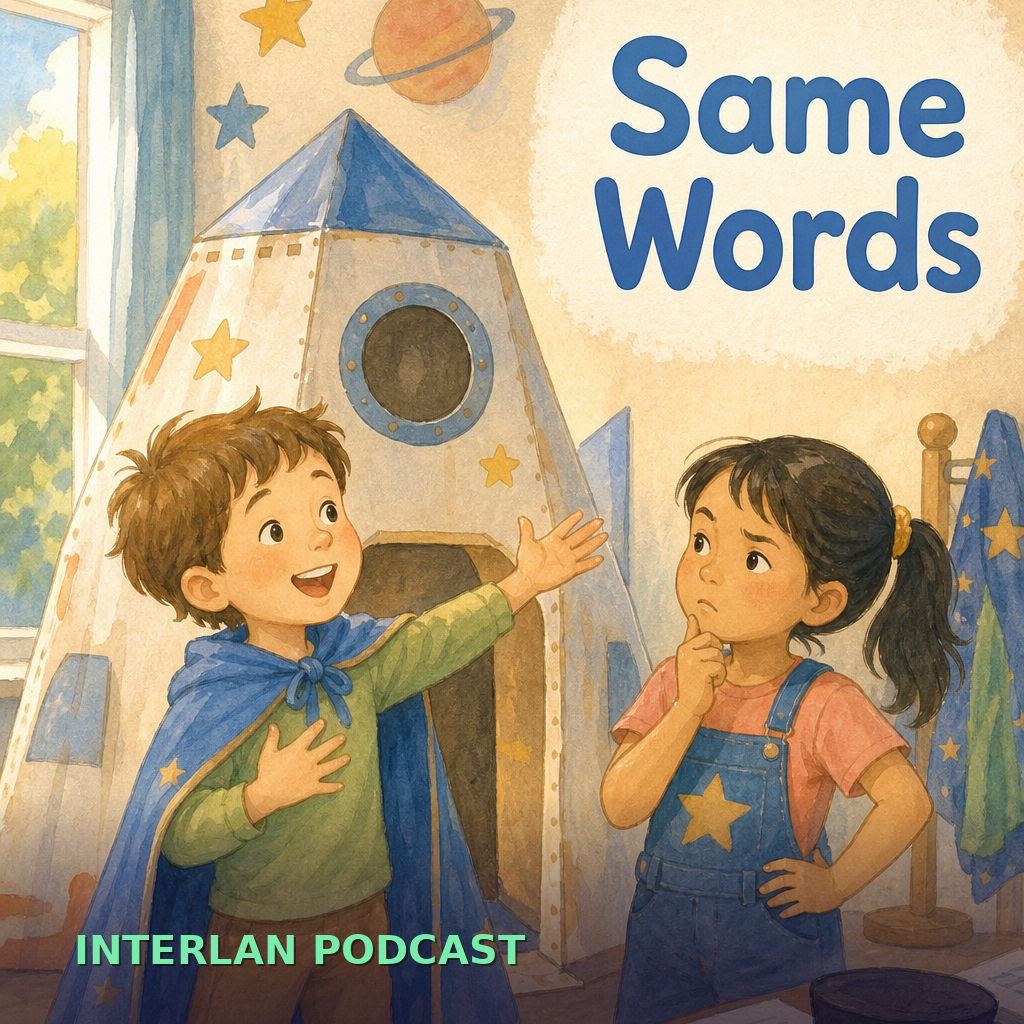
Mia: Leo, let's practise our drama-club scene. I’ll show you my completed spaceship model, and you say, “You finished already?” Remember, you're excited because we can finally begin our pretend mission.
Leo: Easy. Here I go. You finished already?
Mia: Hmm. That came across as doubtful, like you didn’t quite believe me. I expected excitement, but your voice made me imagine a detective studying a suspicious sandwich.
Leo: A suspicious sandwich? Okay, let me try again. You finished already? Great! Now our spaceship can launch!
Mia: Much better. You sounded excited and genuinely impressed. The words were the same, but the feeling was different. Let’s show three possible attitudes for everyone listening.
Leo: First, excitement. Imagine I’ve been waiting all afternoon to play. You finished already? Brilliant! In my voice, the pitch moves energetically, and the whole line sounds lively.
Mia: Next, doubt. Imagine the model usually takes three days, but you say you built it in ten minutes. You finished already? Here, I strongly stress “finished,” because I’m not sure I believe the job is done.
Leo: Finally, surprise. I expected you to finish tomorrow, but suddenly the model is right here. You finished already? I stress “already” because the timing is unexpected.
Mia: These voice movements are called intonation. Sentence stress means making one word stronger or more noticeable. Sometimes they overlap, but they’re different. Together, they help show the speaker’s attitude—that is, how the speaker feels about the situation.
Leo: But pitch isn’t a secret code with only one meaning. Context matters too. A rising voice might suggest surprise in one situation and doubt in another.
Mia: Listener challenge! Which attitude do you hear: excitement, doubt, or surprise? Here’s version one. You finished already? Think for three seconds.
Leo: The intended answer was doubt. “Finished” got the strongest stress, and the careful, questioning voice suggested Mia wasn’t completely convinced.
Mia: Now version two. You finished already? Fantastic! We have time for another rehearsal. Did that sound doubtful or excited?
Leo: Excited! Your lively delivery came across as enthusiastic. You also sounded genuinely impressed that the work was done so quickly.
Mia: Your turn, listeners. Say, “You finished already?” with doubt. Now say the same words with delighted surprise. Change your stress and intonation, but not the words.
Leo: Final performance! You finished already? Amazing! Our cardboard spaceship is ready!
Mia: And this time, you sounded genuinely impressed. Remember the three attitudes: excitement, doubt, and surprise. Stress, intonation, intention, and context all work together.
ترجمه فارسی
Mia: لئو، بیا صحنهی باشگاه تئاتر رو تمرین کنیم. من مدل سفینه فضایی کامل شدهام را بهت نشان میدهم و تو بگو، «قبلاً تمومش کردی؟» یادت باشه که هیجانزدهای چون بالاخره میتوانیم مأموریت خیالیمان را شروع کنیم.
Leo: آسانه. شروع میکنم. قبلاً تمومش کردی؟
Mia: هوم. این طوری شکآلود به نظر رسید، انگار که کاملاً باورم نکردی. انتظار هیجان داشتم، اما صدایت باعث شد من یک کارآگاه را تصور کنم که دارد یک ساندویچ مشکوک را بررسی میکند.
Leo: یک ساندویچ مشکوک؟ باشه، دوباره امتحان میکنم. قبلاً تمومش کردی؟ عالیه! حالا سفینهمون میتونه پرواز کنه!
Mia: خیلی بهتر شد. صدایت هیجانزده و واقعاً تحت تأثیر بود. کلمات همان بود، اما احساس متفاوت بود. بیایید سه حالت ممکن را برای همه شنوندگان نشان دهیم.
Leo: اول، هیجان. تصور کن تمام بعدازظهر منتظر بازی کردن بودم. قبلاً تمومش کردی؟ عالیه! در صدای من، زیر و بمی با انرژی حرکت میکند و کل جمله پرجنبوجوش به نظر میرسد.
Mia: بعد، شک. تصور کن مدل معمولاً سه روز طول میکشد، اما تو میگویی در ده دقیقه ساختی. قبلاً تمومش کردی؟ اینجا من روی «تمومش» تأکید قوی میکنم چون مطمئن نیستم که کار واقعاً تمام شده باشد.
Leo: در نهایت، تعجب. انتظار داشتم فردا تمومش کنی، اما ناگهان مدل همین الان اینجاست. قبلاً تمومش کردی؟ من روی «قبلاً» تأکید میکنم چون زمانبندی غیرمنتظره است.
Mia: این حرکات صوتی را لحن مینامند. تأکید جمله یعنی اینکه یک کلمه را قویتر یا قابل توجهتر کنیم. گاهی اوقات این دو با هم تداخل دارند، اما متفاوتاند. با هم کمک میکنند تا نگرش گوینده را نشان دهند، یعنی اینکه گوینده نسبت به موقعیت چه احساسی دارد.
Leo: اما زیر و بمی یک کد مخفی با یک معنی واحد نیست. زمینه هم مهم است. صدای بالا رفتن ممکن است در یک موقعیت تعجب را نشان دهد و در موقعیت دیگر شک را.
Mia: چالش برای شنوندگان! کدام حالت را میشنوید: هیجان، شک یا تعجب؟ این نسخه اول است. قبلاً تمومش کردی؟ سه ثانیه فکر کنید.
Leo: پاسخ مورد نظر شک بود. روی «تمومش» بیشترین تأکید بود و صدای محتاط و پرسشگر نشان میداد میا کاملاً قانع نشده است.
Mia: حالا نسخه دوم. قبلاً تمومش کردی؟ فوقالعاده! وقت داریم یک تمرین دیگر انجام دهیم. این شکآلود بود یا هیجانزده؟
Leo: هیجانزده! اجرای پرانرژیات به عنوان شور و شوق منتقل شد. همچنین واقعاً تحت تأثیر سریع تمام شدن کار بودی.
Mia: نوبت شما شنوندگان. بگویید، «قبلاً تمومش کردی؟» با حالت شک. حالا همان کلمات را با تعجب خوشحال بگویید. تأکید و لحنتان را تغییر دهید، اما کلمات را نه.
Leo: اجرای نهایی! قبلاً تمومش کردی؟ شگفتانگیزه! سفینه مقوایی ما آماده است!
Mia: و این بار، واقعاً تحت تأثیر بودی. یادتان باشد سه حالت: هیجان، شک و تعجب. تأکید، لحن، نیت و زمینه همه با هم کار میکنند.
واژگان کلیدی
- intonation — آهنگ صدا؛ بالا و پایین رفتن صدا هنگام صحبت
Her rising intonation made the question sound surprised. - sentence stress — تکیه جمله؛ برجستهتر گفتن یک یا چند واژه
Sentence stress can show which word is important. - speaker attitude — نگرش یا احساس گوینده نسبت به موضوع
His speaker attitude was clear from his cheerful voice. - come across as — به نظر رسیدن یا چنین برداشتی ایجاد کردن
Her question came across as doubtful. - genuinely impressed — واقعاً تحت تأثیر قرارگرفته
I was genuinely impressed by your performance. - doubtful — مردد یا دارای تردید
He sounded doubtful when he asked the question. - surprised — متعجب، شگفتزده
Mia was surprised that the model was ready.
نکات زبانی
- عبارت come across as برای توصیف برداشتی که رفتار یا صدای فرد ایجاد میکند به کار میرود و پس از آن معمولاً صفت یا عبارت اسمی میآید: She came across as confident.
- پس از فعل sound معمولاً از صفت استفاده میکنیم: You sound excited. He sounded doubtful.
- در عبارت genuinely impressed، واژه genuinely یک قید است و نشان میدهد تحت تأثیر قرار گرفتن واقعی و صادقانه است.
- جمله You finished already? از نظر شکل شبیه جمله خبری است، اما با آهنگ پرسشی بهعنوان سؤال به کار میرود.
- با تغییر تکیه میتوان منظور را تغییر داد؛ تکیه روی finished کامل شدن کار و تکیه روی already زودتر از انتظار بودن زمان را برجسته میکند.