



متن انگلیسی
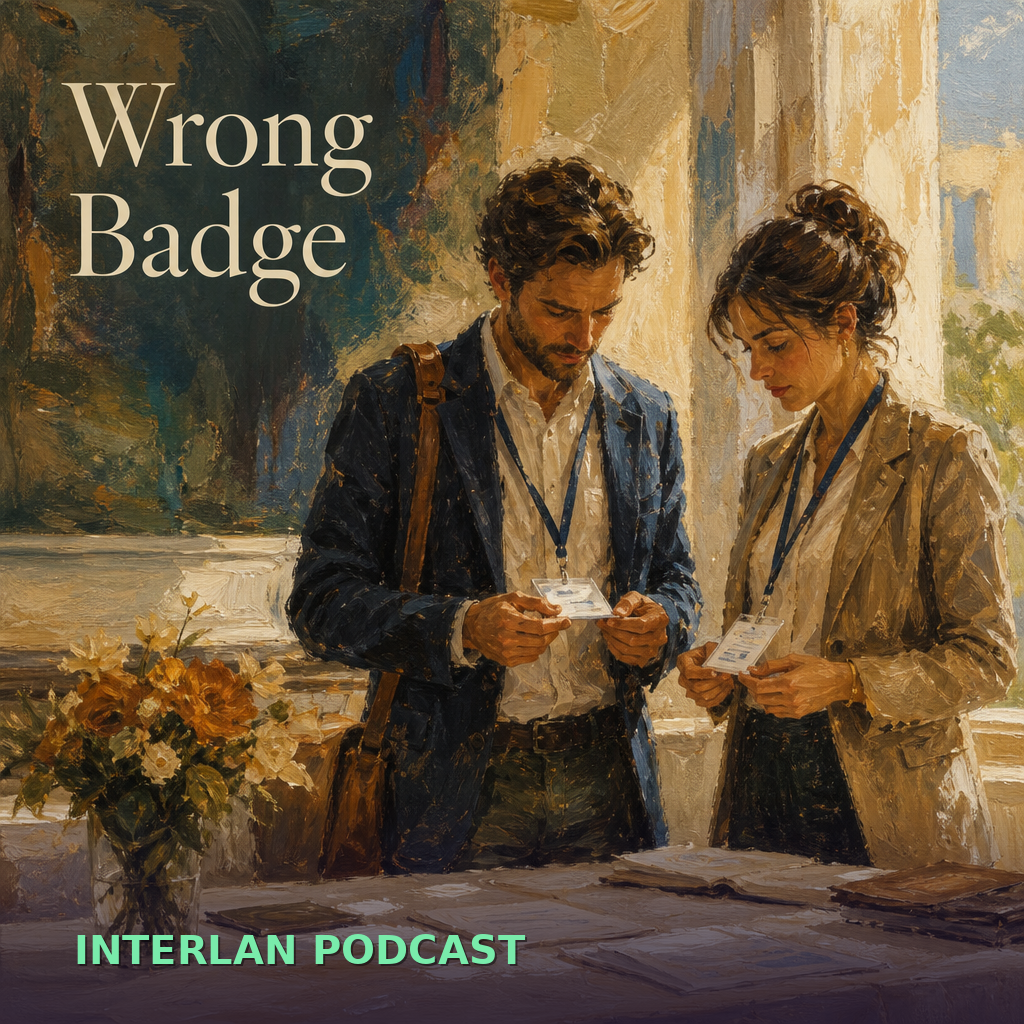
Mia: Excuse me—sorry to stop you. I think we may have a badge mix-up. This one says Daniel, but I’m Mia, and I’ve just come from the morning panel. Did you happen to pick up mine by mistake?
Daniel: Actually, yes. Mine says Mia too, so I’m guessing we’ve swapped them somehow. That would explain why I was wondering why my company name looked unfamiliar.
Mia: Right, that makes sense. Mine should say Mia Rahimi, and I’m pretty sure the department line is wrong as well. Could we compare the details before the next session gets crowded?
Daniel: Of course. Let me have a closer look. This one has Daniel Park on it, plus the 10:30 workshop label. So yes, it looks like the badges were handed out to the wrong people at reception.
Mia: I must have collected mine in a hurry and not checked it properly. It’s such a small thing, but if I walked into the speaker room with the wrong badge, I’d probably spend the first five minutes apologising.
Daniel: Exactly. Better to catch it now. These conference desks move quickly, and a simple swap can go unnoticed until you’re already halfway to the next room. We should probably sort it out before it becomes someone else’s problem.
Mia: Agreed. If they need proof, I’ve got my registration email on my phone. Would you rather I speak first, or shall we go together and explain that the badges were mixed up?
Daniel: Let’s do it together. That sounds less awkward. And while we’re waiting, at least the coffee is decent. I’ve seen worse conference food, which is saying something.
Mia: True. This is actually the first time today I’ve had a moment to breathe. I went to the keynote earlier, and the speaker had a very clear way of making a complicated point sound simple.
Daniel: That’s the sign of a good speaker. I’m only attending this year, but I’m meeting a few people about a possible collaboration. Conferences are really just a series of short conversations that sometimes turn into something useful.
Mia: That’s a very good way of putting it. And you’re right: the conversation matters. If you ask politely and keep your tone relaxed, even a mistake like this stays small.
Daniel: Absolutely. Saying could you check this for me? or would you mind confirming the badge details? sounds so much better than announcing that something’s wrong. It keeps the other person comfortable.
Mia: And it gives them room to fix it without feeling blamed. I think that’s the real skill here—not just finding the mistake, but handling it in a way that keeps everyone at ease.
Daniel: Yes. The content of the message matters, but so does the delivery. A calm explanation is usually enough: we seem to have swapped badges, could you help us correct that? Simple, clear, no drama.
Mia: Exactly. And if we need to wait, we can do it without making the whole thing feel urgent or embarrassing. It helps that conferences are full of people dealing with tiny problems all day.
Daniel: That’s true. Everyone’s juggling something—timing, rooms, badges, slides, coffee. The trick is not to let a minor mix-up throw off the rest of the day.
Mia: Here comes the organizer. Great timing. Let’s show the badges, confirm the names, and get this corrected before the next session starts filling up.
Daniel: Good plan. And after that, we can head in without worrying about introducing ourselves under the wrong name. That would be an awkward first line.
Mia: Definitely. I’m glad we noticed it early. It’s a small problem, but it’s a useful reminder: check the details, explain the mix-up politely, and keep the conversation moving.
Daniel: And if you’re at a conference, that approach works for almost everything. Clear, polite, and calm usually gets the best result. All right—let’s go and fix the badge mix-up.
ترجمه فارسی
Mia: ببخشید—معذرت میخواهم که جلوی شما را میگیرم. فکر میکنم شاید کارت شناساییهایمان با هم جابهجا شده باشد. روی این یکی نوشته Daniel، ولی من Mia هستم و همین الان از پنل صبح آمدهام. ممکن است کارت من را اشتباهی برداشته باشید؟
Daniel: در واقع، بله. روی کارت من هم Mia نوشته شده، پس حدس میزنم somehow با هم عوضشان کردهایم. همین توضیح میدهد چرا داشتم فکر میکردم چرا اسم شرکت من برایم ناآشنا به نظر میرسد.
Mia: درست است، منطقی است. روی کارت من باید Mia Rahimi نوشته شده باشد، و تقریباً مطمئنم خط مربوط به بخش هم اشتباه است. میشود قبل از شلوغ شدن جلسه بعدی، جزئیات را با هم مقایسه کنیم؟
Daniel: البته. بگذارید دقیقتر نگاه کنم. روی این یکی نوشته Daniel Park، بهعلاوه برچسب کارگاه ۱۰:۳۰ هم دارد. پس بله، به نظر میرسد کارتها را در پذیرش به افراد اشتباه دادهاند.
Mia: احتمالاً کارت من را با عجله برداشتهام و درست چک نکردهام. چیز کوچکی است، اما اگر با کارت اشتباه وارد اتاق سخنرانان میشدم، احتمالاً پنج دقیقه اول را به عذرخواهی میگذراندم.
Daniel: دقیقاً. بهتر است همین حالا متوجهش شویم. میزهای کنفرانس سریع کار میکنند، و یک جابهجایی ساده ممکن است تا وقتی که تقریباً نصف راه را به سمت اتاق بعدی رفتهاید، اصلاً معلوم نشود. بهتر است قبل از اینکه مشکلِ کس دیگری شود، آن را حل کنیم.
Mia: موافقم. اگر مدرک لازم باشد، ایمیل ثبتنامم را در گوشیام دارم. ترجیح میدهی اول من صحبت کنم، یا با هم برویم و توضیح بدهیم که کارتها جابهجا شدهاند؟
Daniel: بیایید با هم برویم. اینطوری کمتر معذبکننده است. و تا وقتی منتظریم، دستکم قهوه بد نیست. من از غذای بدترِ کنفرانسی هم دیدهام، که خودش حرفی است.
Mia: درست است. این در واقع اولین باری است که امروز یک لحظه فرصت نفس کشیدن پیدا کردهام. قبلاً به سخنرانی اصلی رفتم و سخنران راه خیلی روشنی برای ساده جلوه دادن یک نکته پیچیده داشت.
Daniel: این نشانه یک سخنران خوب است. من فقط امسال بهعنوان شرکتکننده آمدهام، اما دارم با چند نفر درباره یک همکاری احتمالی صحبت میکنم. کنفرانسها در واقع فقط مجموعهای از گفتوگوهای کوتاه هستند که گاهی به چیزی مفید تبدیل میشوند.
Mia: این واقعاً تعریف خیلی خوبی است. و حق با شماست: خودِ گفتوگو مهم است. اگر مؤدبانه سؤال کنید و لحنتان را آرام نگه دارید، حتی یک اشتباه مثل این هم کوچک میماند.
Daniel: کاملاً. گفتنِ could you check this for me? یا would you mind confirming the badge details? خیلی بهتر از این است که اعلام کنید چیزی اشتباه است. این کار باعث میشود طرف مقابل راحتتر باشد.
Mia: و به او فرصت میدهد بدون اینکه احساس کند مقصر است، آن را درست کند. فکر میکنم مهارت واقعی همین است—نه فقط پیدا کردن اشتباه، بلکه برخورد با آن به شکلی که همه آرام بمانند.
Daniel: بله. محتوای پیام مهم است، اما نحوه بیان هم مهم است. معمولاً یک توضیح آرام کافی است: به نظر میرسد کارتهایمان را با هم عوض کردهایم، ممکن است به ما کمک کنید درستش کنیم؟ ساده، روشن، بدون جنجال.
Mia: دقیقاً. و اگر لازم باشد صبر کنیم، میتوانیم بدون اینکه کل ماجرا را فوری یا خجالتآور جلوه دهیم، این کار را انجام دهیم. کمک میکند که کنفرانسها پر از آدمهایی هستند که تمام روز با مسائل کوچک سروکار دارند.
Daniel: درست است. همه دارند با چیزی دستوپنجه نرم میکنند—زمانبندی، اتاقها، کارتها، اسلایدها، قهوه. نکته این است که نگذاریم یک اشتباه کوچک بقیه روز را بههم بزند.
Mia: اینجا برگزارکننده دارد میآید. چه بهموقع. بیا کارتها را نشان بدهیم، اسمها را تأیید کنیم، و قبل از اینکه جلسه بعدی شروع به پر شدن کند، این را اصلاح کنیم.
Daniel: برنامه خوبی است. و بعد از آن، میتوانیم بدون نگرانی از اینکه خودمان را با اسم اشتباه معرفی کنیم وارد شویم. این شروع خیلی معذبکنندهای میشد.
Mia: قطعاً. خوشحالم که زود متوجهش شدیم. مشکل کوچکی است، اما یادآوری مفیدی است: جزئیات را چک کنید، جابهجایی را مؤدبانه توضیح دهید، و گفتوگو را جلو ببرید.
Daniel: و اگر در کنفرانس باشید، این روش برای تقریباً همهچیز جواب میدهد. روشن، مؤدب و آرام بودن معمولاً بهترین نتیجه را میدهد. خیلی خوب—بیا برویم و این جابهجایی کارتها را درست کنیم.
واژگان کلیدی
- badge — کارت شناسایی یا نشان ورود
Please keep your badge visible during the conference. - mix-up — اشتباه یا جابهجایی
There was a small mix-up at reception. - confirm — تأیید کردن
Could you confirm your name, please? - clarify — روشن کردن، توضیح دادن
Let me clarify the details for you. - registration — ثبتنام
My registration email is on my phone. - session — جلسه، نشست
The next session starts in ten minutes. - delegate — شرکتکننده، نماینده
Each delegate received a badge at the desk. - lanyard — بند گردنی کارت
Her badge was attached to a blue lanyard. - swap — عوض کردن، جابهجا شدن
We seem to have swapped badges by mistake. - reception — پذیرش
Please go to reception for help. - speaker — سخنران
The speaker explained the topic clearly. - networking — شبکهسازی حرفهای
Networking can lead to useful contacts.
نکات زبانی
- درخواست مؤدبانه با could you و would you mind برای نرم و حرفهای کردن سؤالها.
- زمان حال کامل برای اشاره به کاری که همین اخیراً انجام شده یا اشتباهی که تازه رخ داده است.
- سؤالهای غیرمستقیم با if و whether برای بررسی جزئیات بدون مستقیمگویی زیاد.
- ساختارهای کوتاه با but و actually برای اصلاح محترمانه و طبیعی یک سوءتفاهم.