



متن انگلیسی
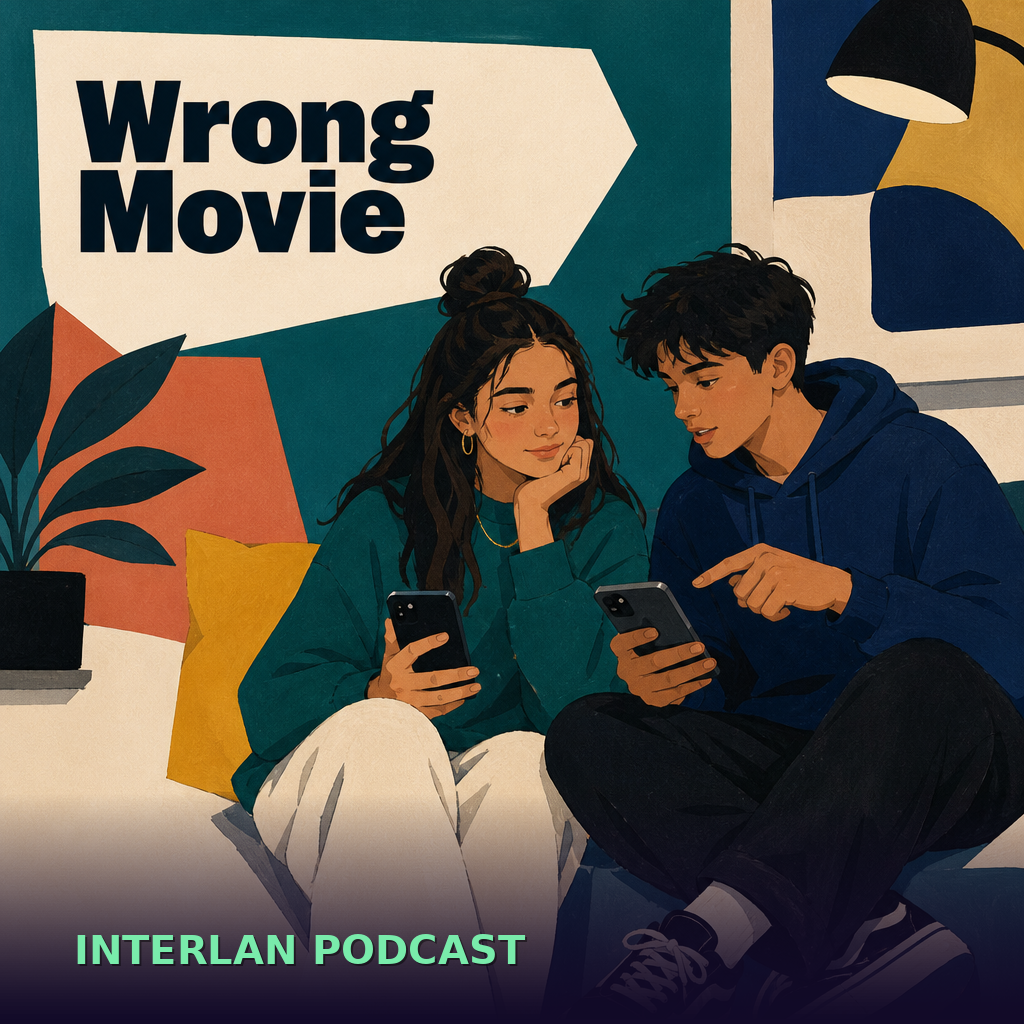
Nika: Our group chat was supposed to choose a movie for Saturday. Then one message confused everyone, and suddenly three different movies were in the plan. I think we need to clarify it before people arrive.
Arman: Wait, which one did they mean? I saw someone write “the action one,” but another reply said “the comedy.” Do you mean the action movie, or did someone suggest something else instead?
Nika: I’m checking the replies now. One friend said, “Let’s watch the new action movie.” Another friend replied, “That sounds good, but I prefer the comedy.” So the chat mixed up two ideas.
Arman: Right, that is a misunderstanding. We should confirm the final choice. Maybe I’ll write, “Sorry, I meant the comedy movie, because it starts earlier and is easier for everyone.”
Nika: Good idea. I can add, “Do you mean the comedy in the mall, or the action one at home?” That question helps people check details before they reply too quickly.
Arman: Yes, and if someone still seems unsure, we can say, “I think you meant the comedy movie.” That sounds polite and clear. It also keeps the plan simple for movie night.
Nika: Now the chat makes sense. The final plan is the comedy movie, popcorn, and Saturday evening. Everyone can agree, because the movie starts early and nobody has to rush.
Arman: Nice. Today’s useful phrases were “Wait, which one?”, “Do you mean…?”, “I think you meant…”, and “Sorry, I meant…”. They help us clarify plans, ask for confirmation, and fix mistakes politely.
ترجمه فارسی
Nika: گروه چت ما قرار بود یک فیلم برای شنبه انتخاب کند. بعد یک پیام همه را گیج کرد و ناگهان سه تا فیلم مختلف توی برنامه بود. فکر میکنم قبل از اینکه مردم برسند باید روشنش کنیم.
Arman: صبر کن، منظورتان کدام یکی بود؟ دیدم یکی نوشته بود «اون فیلم اکشن»، اما یک پاسخ دیگر گفته بود «کمدی». منظورت فیلم اکشنه، یا کسی چیز دیگری پیشنهاد داده بود؟
Nika: الان دارم جوابها را چک میکنم. یک دوست گفت: «بیایید فیلم اکشن جدید را ببینیم.» دوست دیگری جواب داد: «به نظر خوب میآید، ولی من کمدی را ترجیح میدهم.» پس چت دو تا ایده را با هم قاطی کرده بود.
Arman: درسته، این یک سوءتفاهمه. باید انتخاب نهایی را تأیید کنیم. شاید من بنویسم: «ببخشید، منظورم فیلم کمدی بود، چون زودتر شروع میشود و برای همه راحتتر است.»
Nika: ایده خوبیه. من میتوانم اضافه کنم: «منظورت کمدیِ داخل مرکز خرید است یا فیلم اکشنِ خانه؟» این سؤال کمک میکند آدمها قبل از اینکه خیلی سریع جواب بدهند، جزئیات را چک کنند.
Arman: بله، و اگر کسی هنوز مطمئن نبود، میتوانیم بگوییم: «فکر کنم منظورت فیلم کمدی بوده.» این مؤدبانه و واضح به نظر میرسد. ضمن اینکه برنامه را برای شب فیلم ساده نگه میدارد.
Nika: حالا چت معنی پیدا میکند. برنامه نهایی فیلم کمدی، پاپکورن، و عصر شنبه است. همه میتوانند موافق باشند، چون فیلم زود شروع میشود و کسی لازم نیست عجله کند.
Arman: عالیه. عبارتهای مفید امروز اینها بودند: «صبر کن، کدام یکی؟»، «منظورت ... است؟»، «فکر کنم منظورت ... بوده»، و «ببخشید، منظورم ... بود». اینها کمک میکنند برنامهها را روشن کنیم، تأیید بگیریم، و اشتباهها را مؤدبانه درست کنیم.
واژگان کلیدی
- group chat — گروهچت
I sent the plan in the group chat. - clarify — شفافکردن، روشنکردن
Can you clarify which movie you mean? - confirm — تأیید کردن
Please confirm the time. - misunderstanding — سوءتفاهم
There was a misunderstanding about the movie. - suggest — پیشنهاد دادن
I suggest the comedy movie. - instead — بهجای آن
Let’s choose the comedy instead.
نکات زبانی
- برای پیشنهاد دادن میتوان از should استفاده کرد: We should clarify it.
- برای پرسیدن تأیید از Do you mean...؟ و Which one...؟ استفاده میکنیم.
- برای اصلاح محترمانه، عبارتهای I think you meant... و Sorry, I meant... خیلی کاربردی هستند.