



متن انگلیسی
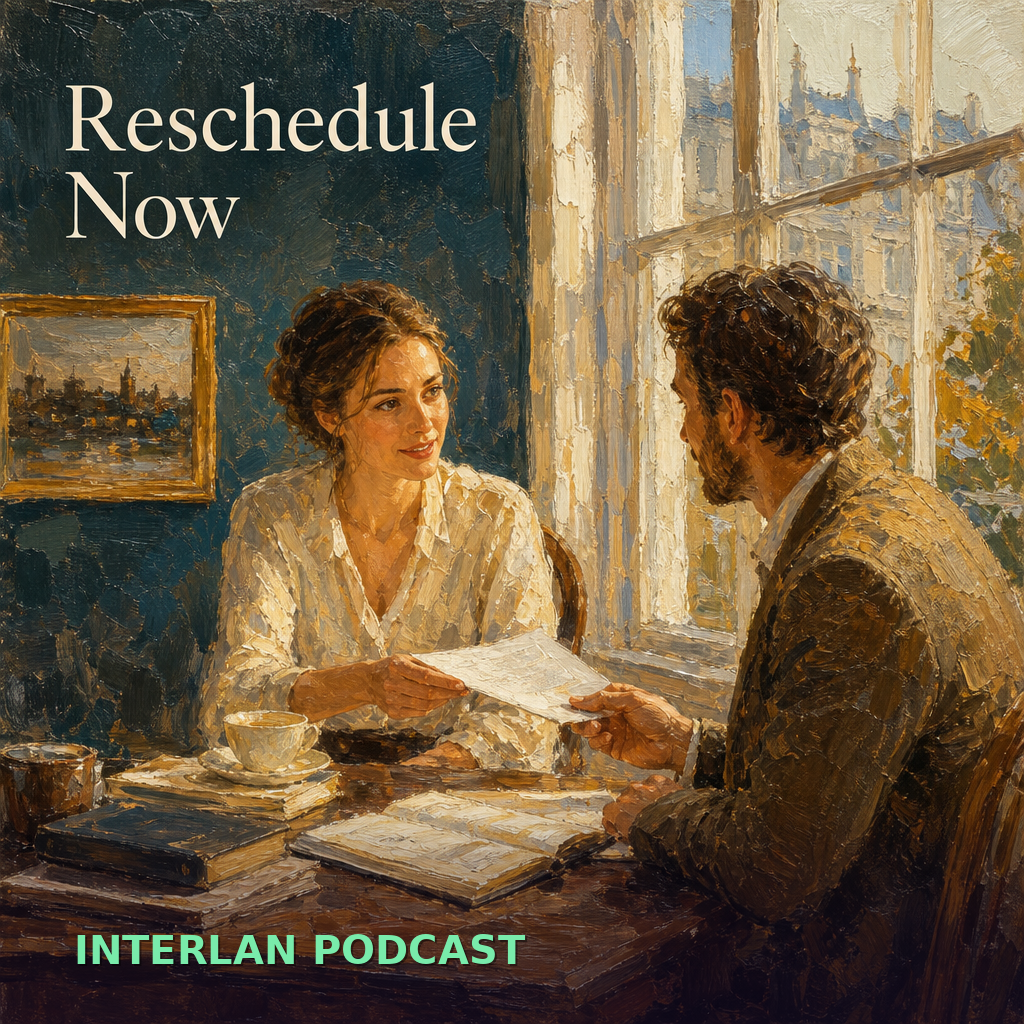
Mia: Hi Daniel, I need to reschedule our meeting on Thursday. I have a conflict with a project deadline that has just moved up, so I will not be able to give our discussion the attention it deserves.
Daniel: Of course. Thanks for letting me know briefly. I appreciate the heads-up. Would you be able to suggest a couple of alternatives, so we can keep the conversation moving without losing momentum?
Mia: Absolutely. I’m sorry for the change. I checked my availability, and I could do Thursday at 4 p.m., or Friday morning before 11. If neither suits you, I can look for another slot.
Daniel: Friday morning sounds promising. I have a client call at 10:30, but I should be free before that. Would 9:15 work for you, or would you prefer something a little earlier?
Mia: 9:15 should work. That gives us enough time to cover the main points properly. I’ll adjust my calendar and send a revised invite once we confirm the room and the agenda.
Daniel: Perfect. I’ll keep the agenda as it stands, but I’ll add a note that the deadline issue pushed the meeting back. That way, anyone who needs to follow up will understand the change immediately.
Mia: Thank you, that would be helpful. I’m trying to be efficient about this, because the deadline is tight and I don’t want to create more confusion than necessary. A brief update is probably enough.
Daniel: Agreed. In professional communication, clarity matters more than a long explanation. A short apology, a clear reason, and two realistic alternatives usually make the reschedule much easier for everyone involved.
Mia: Exactly. I also find it useful to confirm the next step in writing. Once I send the email, I’ll say, Let’s meet on Friday at 9:15, and I’ll include the link and the location.
Daniel: That works. Could you also mention that I’m available for five minutes earlier if you need to check anything before then? It might help if either of us has a last-minute conflict.
Mia: Yes, I can add that. If anything changes on my side, I’ll let you know straight away. Otherwise, Friday at 9:15 is confirmed, and I’ll block the time in my calendar now.
Daniel: Great. I’ll do the same. I’ll also make sure no one else books over it, since this slot is the most convenient option for both of us this week.
Mia: Thanks, Daniel. I appreciate how smoothly this is working. It’s a small thing, but the tone makes a difference. A polite, efficient email saves time and keeps the working relationship steady.
Daniel: Definitely. It shows respect for the other person’s schedule while still protecting your own priorities. That balance is useful not only for meetings, but for all kinds of workplace coordination.
Mia: Before we finish, I’ll recap the useful phrases: I need to reschedule, I have a conflict, would you be available, and 9:15 works for me. Those are simple, natural, and professional.
Daniel: And if you need a softer option, you can say, Would Friday be more convenient? or Does that slot suit you? Then close with, Sounds good, I’ll confirm it by email.
Mia: That’s a useful pattern. Explain the issue briefly, offer alternatives, ask about availability, and confirm clearly. It sounds professional without sounding cold, which is exactly what most workplace messages need.
Daniel: Agreed. Thanks for the conversation, Mia. I’ll look out for your email, and then we can move ahead with the new plan.
ترجمه فارسی
Mia: سلام دنیل، باید جلسهمان را برای پنجشنبه جابهجا کنم. با یک ددلاینِ پروژه که همین الان جلو افتاده تداخل دارم، بنابراین نمیتوانم به بحثمان آنطور که شایسته است توجه کنم.
Daniel: البته. ممنون که زود خبر دادی. از اینکه به من اطلاع دادی قدردانی میکنم. میتوانی چند گزینهٔ دیگر پیشنهاد بدهی تا بدون از دست دادن روند کار، گفتگو را ادامه بدهیم؟
Mia: حتماً. بابت این تغییر متأسفم. در دسترسبودنم را چک کردم و میتوانم پنجشنبه ساعت ۴ عصر، یا جمعه صبح قبل از ۱۱ وقت داشته باشم. اگر هیچکدام مناسب تو نبود، میتوانم یک زمان دیگر پیدا کنم.
Daniel: جمعه صبح امیدوارکننده به نظر میرسد. ساعت ۱۰:۳۰ یک تماس با مشتری دارم، اما باید قبل از آن آزاد باشم. ساعت ۹:۱۵ برایت مناسب است، یا ترجیح میدهی کمی زودتر باشد؟
Mia: ۹:۱۵ باید مناسب باشد. اینطوری وقت کافی داریم که نکات اصلی را درست و حسابی بررسی کنیم. من تقویمم را تنظیم میکنم و بعد از اینکه اتاق و دستور جلسه را نهایی کردیم، دعوتنامهٔ اصلاحشده را میفرستم.
Daniel: عالی. دستور جلسه را همانطور که هست نگه میدارم، اما یادداشتی اضافه میکنم که مشکل ددلاین باعث شد جلسه عقب بیفتد. اینطوری هر کسی که لازم باشد پیگیری کند، فوراً تغییر را متوجه میشود.
Mia: ممنون، خیلی کمک میکند. دارم سعی میکنم این موضوع را کارآمد پیش ببرم، چون ددلاین نزدیک است و نمیخواهم بیشتر از حد لازم باعث سردرگمی شوم. احتمالاً یک بهروزرسانی کوتاه کافی است.
Daniel: موافقم. در ارتباطات حرفهای، شفافیت از توضیح طولانی مهمتر است. یک عذرخواهی کوتاه، یک دلیل روشن، و دو گزینهٔ واقعی معمولاً جابهجایی جلسه را برای همهٔ افراد درگیر خیلی آسانتر میکند.
Mia: دقیقاً. من همچنین مفید میدانم که مرحلهٔ بعدی را بهصورت مکتوب تأیید کنم. وقتی ایمیل را فرستادم، میگویم: بیایید جمعه ساعت ۹:۱۵ همدیگر را ببینیم، و لینک و محل را هم اضافه میکنم.
Daniel: خوبه. میتونی همچنین اشاره کنی که اگر لازم شد قبل از آن، پنج دقیقه زودتر برای چک کردن چیزی در دسترسم. اگر هرکداممان یک تداخل لحظهٔ آخری داشته باشیم، ممکن است کمک کند.
Mia: بله، میتوانم آن را اضافه کنم. اگر از طرف من چیزی تغییر کند، فوراً به تو خبر میدهم. در غیر این صورت، جمعه ساعت ۹:۱۵ قطعی است و من همین الان آن زمان را در تقویمم رزرو میکنم.
Daniel: عالی. من هم همین کار را میکنم. همچنین مطمئن میشوم هیچکس دیگری آن زمان را روی آن رزرو نکند، چون این بازه این هفته مناسبترین گزینه برای هر دوی ماست.
Mia: ممنون دنیل. از اینکه اینقدر روان پیش میرود، قدردانی میکنم. چیز کوچکی است، اما لحن مهم است. یک ایمیل مؤدبانه و کارآمد هم در وقت صرفهجویی میکند و هم رابطهٔ کاری را پایدار نگه میدارد.
Daniel: قطعاً. این نشان میدهد که برای برنامهٔ طرف مقابل احترام قائلی، در حالی که اولویتهای خودت را هم حفظ میکنی. این تعادل نهتنها برای جلسهها، بلکه برای همهٔ انواع هماهنگیهای کاری مفید است.
Mia: قبل از اینکه تمام کنیم، عبارتهای مفید را مرور میکنم: باید جلسه را جابهجا کنم، یک تداخل دارم، آیا در دسترس هستید، و ساعت ۹:۱۵ برای من مناسب است. اینها ساده، طبیعی و حرفهای هستند.
Daniel: و اگر یک گزینهٔ ملایمتر بخواهی، میتوانی بگویی: آیا جمعه مناسبتر است؟ یا این بازه برایت مناسب است؟ بعد هم با این جمله تمامش کنی: خوبه، من آن را از طریق ایمیل تأیید میکنم.
Mia: این یک الگوی مفید است. مشکل را کوتاه توضیح بده، گزینههای دیگر پیشنهاد کن، دربارهٔ در دسترسبودن سؤال کن، و واضح تأیید کن. اینطور حرفهای به نظر میرسد، بدون اینکه سرد باشد، و دقیقاً همان چیزی است که بیشتر پیامهای کاری نیاز دارند.
Daniel: موافقم. ممنون بابت گفتگو، میا. منتظر ایمیل تو میمانم، و بعد میتوانیم با برنامهٔ جدید جلو برویم.
واژگان کلیدی
- reschedule — تغییر زمان برنامهریزیشده
We need to reschedule the meeting to Friday. - availability — در دسترس بودن / وقت آزاد
My availability is better in the morning. - conflict — تداخل زمانی / تعارض
I have a conflict with another call. - deadline — ددلاین / مهلت نهایی
The deadline is earlier than we expected. - alternative — گزینه جایگزین
Could you suggest an alternative time? - confirm — تأیید کردن
Please confirm the new meeting time. - propose — پیشنهاد دادن
I’d like to propose Friday at 9. - convenient — مناسب، راحت
Is this time convenient for you? - briefly — بهاختصار
Let me explain briefly. - apologize — عذرخواهی کردن
I need to apologize for the change. - slot — بازه یا زمان خالی
I have a slot at 2 p.m. - coordinate — هماهنگ کردن
We need to coordinate our calendars. - follow up — پیگیری کردن
I’ll follow up by email tomorrow.
نکات زبانی
- برای درخواست مؤدبانه از could و would استفاده میکنیم: Would you be available...?
- برای برنامهریزی آینده، can، will و be able to رایجاند: I can do Friday morning.
- عبارت If that works for you برای پیشنهاد محترمانه و انعطافپذیر بسیار طبیعی است.
- در زمانبندی کاری، حروف اضافه on، at و by مهماند: on Friday, at 9:15, by noon.