


متن انگلیسی
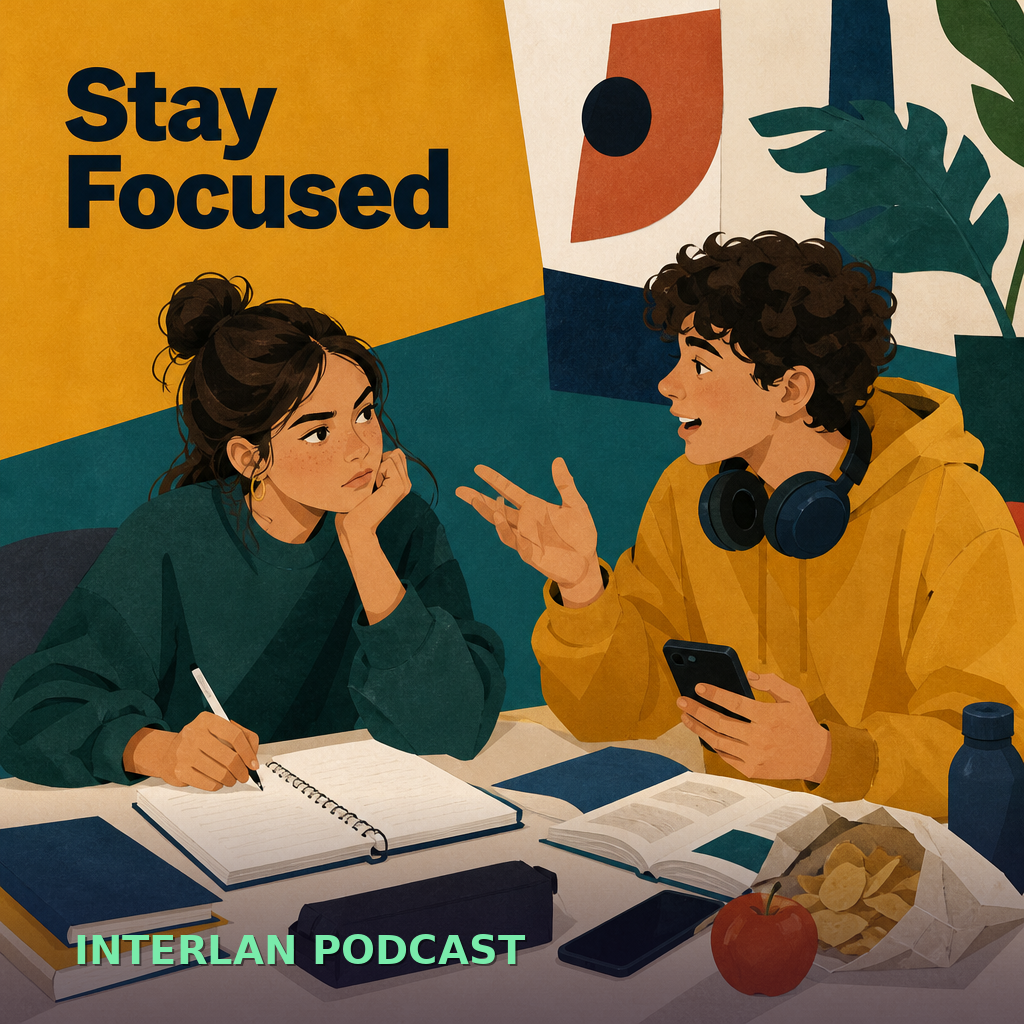
Mia: Okay, we said we’d finish history first, right? The deadline is tomorrow morning, so let’s stay on track. If we get this done now, we can relax later without stress.
Omid: Yes, absolutely. First the history questions, then the short paragraph. I just need my phone for a second to check one message, and after that I’m fully in study mode.
Mia: Can we do a quick reset? One message turns into five, and then we lose focus. Let’s put our phones face down and keep them away for twenty minutes.
Omid: Fair point. I was already getting distracted. Okay, we should prioritize the worksheet first, because that part takes the longest. Then we can move to the paragraph and wrap up.
Mia: Good. And maybe we should write a tiny study plan. First answer the questions, then compare notes, after that check spelling, and finally take a quick break.
Omid: I like that. It feels simple, and simple usually works. By the way, there’s a packet of chips here, but maybe we save it for the break instead of now.
Mia: Yes, because if we start snacking now, we’ll stop every two minutes. Let’s just keep going. Also, if either of us gets lost, we can ask one clear question and move on.
Omid: Deal. Can you read the first question aloud? I’ll answer it, and then you can check if I missed anything. That way we stay focused and the work moves faster.
Mia: Sure. And if I start talking about something random, just interrupt me politely. Say, ‘Let’s get back to it.’ That sounds better than letting the whole session drift off.
Omid: Let’s get back to it, then. After we finish these three questions, we take a five-minute break, no extra scrolling, and then we do the paragraph together.
Mia: Perfect. We’ve got a plan, we know the goal, and we’re back on track. After this, maybe our next study session will be a lot less messy.
ترجمه فارسی
Mia: باشه، گفتیم که اول تاریخ را تمام کنیم، درست است؟ مهلت تحویل فردا صبح است، پس بیایید روی مسیر بمانیم. اگر الان این را انجام بدهیم، بعداً بدون استرس میتوانیم استراحت کنیم.
Omid: بله، کاملاً. اول سؤالهای تاریخ، بعد آن پاراگراف کوتاه. فقط برای یک ثانیه به گوشیام نیاز دارم که یک پیام را چک کنم، و بعدش کاملاً میروم توی حالت مطالعه.
Mia: میشود یک ریستِ سریع داشته باشیم؟ یک پیام میشود پنج تا، و بعد تمرکزمان را از دست میدهیم. بیایید گوشیهایمان را رو به پایین بگذاریم و برای بیست دقیقه از خودمان دورشان کنیم.
Omid: نکتهی درستی است. داشتم حواسم پرت میشد. باشه، باید اول برگهی تمرین را در اولویت بگذاریم، چون آن بخش بیشتر از همه وقت میگیرد. بعد میتوانیم سراغ پاراگراف برویم و جمعش کنیم.
Mia: خوب است. و شاید باید یک برنامهی خیلی کوچک برای مطالعه بنویسیم. اول به سؤالها جواب بدهیم، بعد یادداشتها را با هم مقایسه کنیم، بعد از آن املا را چک کنیم، و در آخر یک استراحت کوتاه داشته باشیم.
Omid: این را دوست دارم. ساده به نظر میرسد، و معمولاً چیزهای ساده جواب میدهند. راستی، اینجا یک بسته چیپس هست، ولی شاید بگذاریمش برای استراحت، نه الان.
Mia: بله، چون اگر الان شروع کنیم به تنقلات خوردن، هر دو دقیقه یکبار کار را قطع میکنیم. بیایید فقط ادامه بدهیم. همچنین اگر هر کدام از ما گیج شد، میتوانیم یک سؤال روشن بپرسیم و برویم جلو.
Omid: قبول. میتوانی سؤال اول را با صدای بلند بخوانی؟ من جوابش را میدهم، و بعد تو میتوانی چک کنی که چیزی را جا انداختهام یا نه. اینطوری تمرکزمان را نگه میداریم و کار سریعتر پیش میرود.
Mia: حتماً. و اگر من شروع کردم دربارهی یک چیز تصادفی حرف زدن، فقط مؤدبانه حرفم را قطع کن. بگو: «بیایید برگردیم به اصل موضوع.» این از اینکه بگذاریم کل جلسه از مسیر خارج شود بهتر است.
Omid: پس بیایید برگردیم به اصل موضوع. بعد از اینکه این سه سؤال را تمام کردیم، پنج دقیقه استراحت میکنیم، بدون اسکرولِ اضافه، و بعد پاراگراف را با هم انجام میدهیم.
Mia: عالیه. یک برنامه داریم، هدف را میدانیم، و برگشتهایم روی مسیر. بعد از این، شاید جلسهی مطالعهی بعدیمان خیلی کمتر بههمریخته باشد.
واژگان کلیدی
- focus — تمرکز
Try to focus on one task at a time. - distraction — حواسپرتی
My phone is a big distraction when I study. - deadline — مهلت نهایی
The deadline for the essay is tomorrow. - study plan — برنامهٔ مطالعه
We made a short study plan before we started. - reset — از نو تنظیم کردن / دوباره شروع کردن
Let’s reset and start with the first question. - prioritize — در اولویت قرار دادن
We need to prioritize the hardest task first. - quick break — استراحت کوتاه
After twenty minutes, we can take a quick break. - on track — در مسیر درست
We are on track to finish before dinner.
نکات زبانی
- برای بیان عادتها و کارهای برنامهریزیشده از زمان حال ساده استفاده شده است.
- برای پیشنهاد دادن از should، could و let’s استفاده شده است.
- برای گفتن نتیجهٔ عملی یک کار، از جملههای شرطی ساده با if استفاده شده است.
- عبارتهای مؤدبانه مثل Can we و maybe برای نرمتر کردن درخواستها به کار رفتهاند.